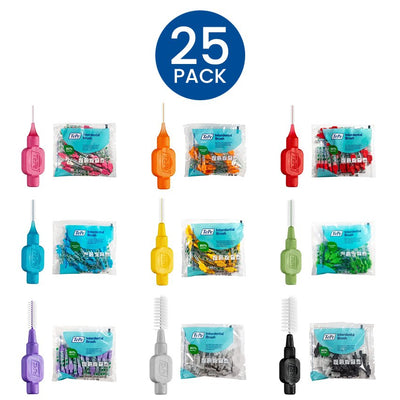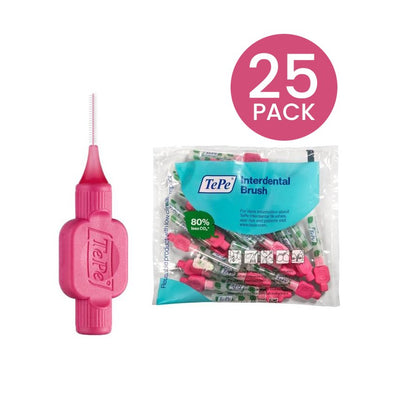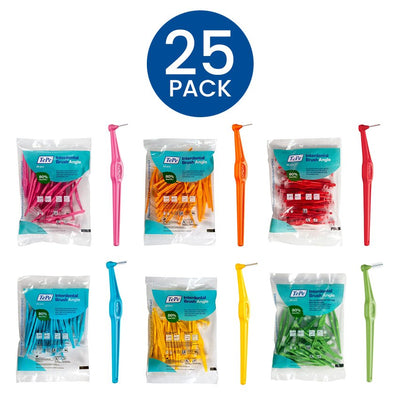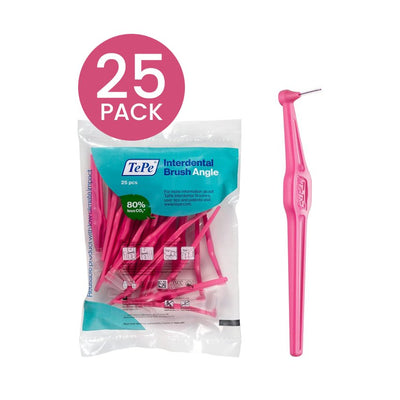
Interdental Brushes Hacks: Why You Need a Gel for Truly Effective Cleaning

Not a fan of interdental brushes? You're not alone. Many people find using them an uncomfortable chore, citing “scratchy” bristles and bleeding gums.
But interdental cleaning is one of the most powerful habits for your oral health when done right. Try our hacks to get the most of your interdental brushes.
Why do interdental brushes feel uncomfortable at first?
Interdental brushes can feel uncomfortable if your gums aren’t used to them; they may be sensitive and tender after use, particularly if:
- there's existing gum inflammation.
- the interdental brush is the wrong size.
- the wrong technique is being used.
Is it normal for gums to bleed when using interdental brushes?
Don’t be alarmed if some bleeding occurs; it’s typically a signal of a problem you can address like inflammation in the gums or brushing too hard. This should improve with consistent, correct interdental cleaning. If you continue to bleed despite a good oral routine, consult your dentist.
What are the benefits of using interdental brushes every day?
Interdental brushing removes plaque from areas where toothbrushes can’t reach, such as between teeth; around braces, implants, and bridges; and the gums. This gives a more comprehensive clean and helps reduce gum inflammation, leading to fresher breath and better oral hygiene in the long-term.
How can you make interdental brushing more comfortable?
Try these tips:
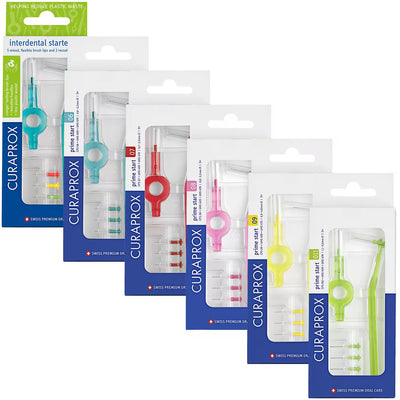
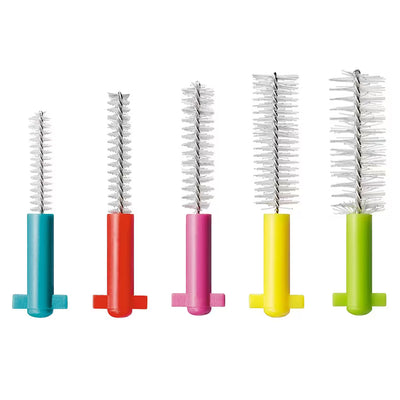
- Use the correct sized interdental brush for the space you want to clean.
- Brush with slow, gentle and precise movement.
- Use a gel instead of going in dry.
Should you use toothpaste with interdental brushes?
No, toothpaste can be abrasive and drying and increase discomfort and irritation. Plus, foaming agents in toothpaste aren’t designed for interdental spaces. There are better alternatives!
Why is it good to use gel with interdental brushes?
Gels lubricate and reduce friction, helping your interdental brush glide more easily between teeth and around orthodontic appliances to remove plaque more effectively. They also support gum hydration, further minimising discomfort.
What kind of gel should you use with interdental brushes?
Use a non-abrasive gel with a gentle, hydrating formula that won’t strip or dry out your gums. Bonus points if it’s specially designed for oral health with ingredients that protect, heal, and fight gum disease! Look out for these:
- Fluoride: strengthens enamel, defending against cavities.
- Hyaluronic acid: has anti-inflammatory and antibacterial properties, reducing gingivitis and bleeding gums.
- Chlorhexidine: antiseptic that kills bacteria and reduces plaque.
- Xylitol: sugar-substitute that reduces cavity-causing bacteria, decreases plaque, and boosts saliva to prevent tooth decay.
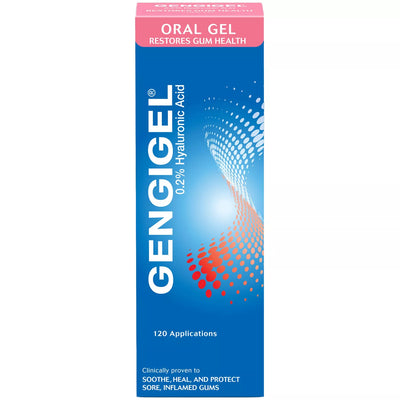
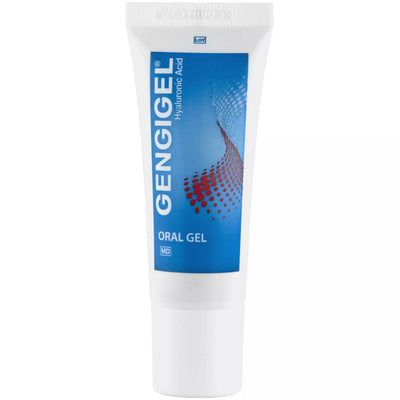
Brands like Gengigel carry suitable gels; see our full range of dental gels.
How should gel be used with interdental brushes?
For best results:
- Apply a small amount of gel to your interdental brush.
- Clean in the spaces between teeth gently; no forcing or hard scrubbing!
- Rinse or wipe the brush between each space.
- Try doing this once daily, prior to brushing your teeth, and replacing your interdental brush(es) every 1-2 weeks.
Who should be using gel with interdental brushes?
Everyone can benefit from interdental brushing with gel as part of their oral care routine, especially:
- People with sensitive gums that bleed when brushing.
- Orthodontic appliance wearers.
- Post-treatment mouths.
- Anyone who finds interdental cleaning uncomfortable!