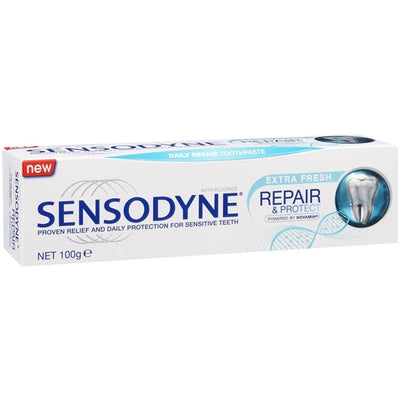
Toothpaste: with or without fluoride?

Fluoride toothpaste is widely recommended for its ability to prevent cavities and strengthen enamel, while there are also fluoride-free alternatives for when fluoride may not be ideal.
Understanding the advantages and potential risks of each type helps ensure informed decisions for maintaining healthy teeth and gums.
What are the benefits of fluoride toothpaste?
Fluoride is a naturally occurring mineral well-known for its oral health benefits as a key ingredient in toothpaste.
Fluoride in toothpaste strengthens tooth enamel, the hard outer layer that protects teeth, through a process called remineralisation, where it helps repair and reverse early signs of enamel erosion and makes teeth more resistant to acid attacks caused by plaque bacteria and sugary foods. This significantly reduces the risk of cavities/dental caries.
Are there risks associated with fluoride?
Yes, excess fluoride intake can lead to dental fluorosis, particularly in young children under eight. This is when too much fluoride is swallowed during the years when permanent teeth are developing.
This condition is generally harmless, affecting only the appearance of teeth, causing white spots, discolouration, or pitting of the enamel. But in severe cases enamel integrity may be compromised, making teeth more vulnerable to wear. In areas with high fluoride levels in drinking water, additional fluoride from toothpaste may contribute to overexposure.
Other potential concerns include fluoride sensitivity or allergic reactions.
Is fluoride toothpaste safe for kids?
Yes, fluoride is considered safe for kids when used in the age-appropriate amount as it is non-toxic.
Following recommended guidelines for toothpaste amounts at different ages is essential to maintain safety and effectiveness:
- Under 3 years (if they can spit): A smear about the size of a grain of rice.
- Ages 3–6: A pea-sized amount.
- Over 6 years: A standard amount similar to adults.
Check instructions on packaging and supervise brushing to help ensure proper use.
What are the benefits of non-fluoride toothpaste?
No-fluoride toothpastes often use alternative ingredients that still greatly benefit oral health while avoiding fluoride.
Common alternative ingredients:
- Hydroxyapatite – the main structural component of tooth enamel. In toothpaste, hydroxyapatite helps repair microscopic enamel damage through remineralisation, restoring strength and protecting against acid erosion and cavities.
- Xylitol – a natural sugar alcohol that inhibits the harmful oral bacteria which feed on sugars and produce acids that cause tooth decay.
When should you avoid using fluoride toothpaste?
Individuals with a fluoride allergy or sensitivity may want to choose fluoride-free alternatives. Fluoride toothpaste may also be unnecessary if you live somewhere with high levels of fluoride in drinking water to reduce the risk of dental fluorosis.
Parents may opt for fluoride-free toothpaste for infants/toddlers who cannot reliably spit out toothpaste, reducing the chance of swallowing too much fluoride.
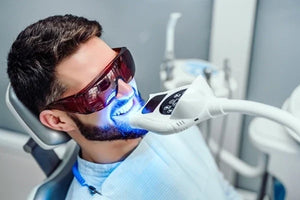
Fluoride toothpaste may be avoided after professional teeth whitening treatments; certain whitening procedures can temporarily increase tooth sensitivity.